
The Ultimate Punjabi Style Aloo Gobi Recipe: A Taste of Heritage
There are few dishes in the Indian culinary repertoire that evoke as much comfort as a steaming plate of Aloo Gobi Masala. Whether it’s a quiet weekday dinner or a centerpiece for a festive spread, this humble combination of potatoes (aloo) and cauliflower (gobi) is a testament to how simple ingredients can create extraordinary flavors.
In this guide, I’m sharing the best Aloo Gobi recipe that strikes the perfect balance between the rustic charm of home cooking and the vibrant punch of a restaurant style Aloo Gobi.
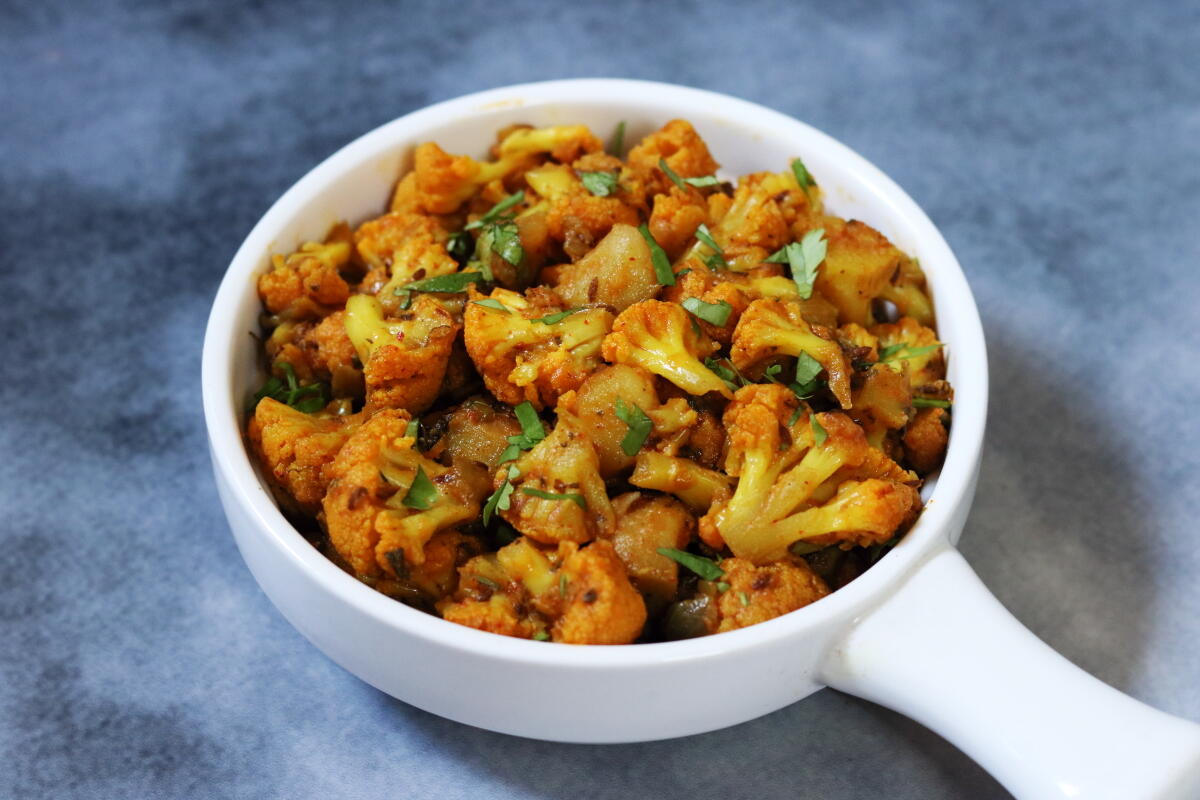
Why This is the Best Aloo Gobi Recipe
Most people struggle with cauliflower becoming mushy or the potatoes remaining undercooked. My Aloo Gobi recipe focuses on a specific “pan-roasting” technique that ensures every floret is tender yet retains a slight crunch, coated in a thick, aromatic spice base. This is the authentic Aloo Gobi masala experience you’ve been looking for.
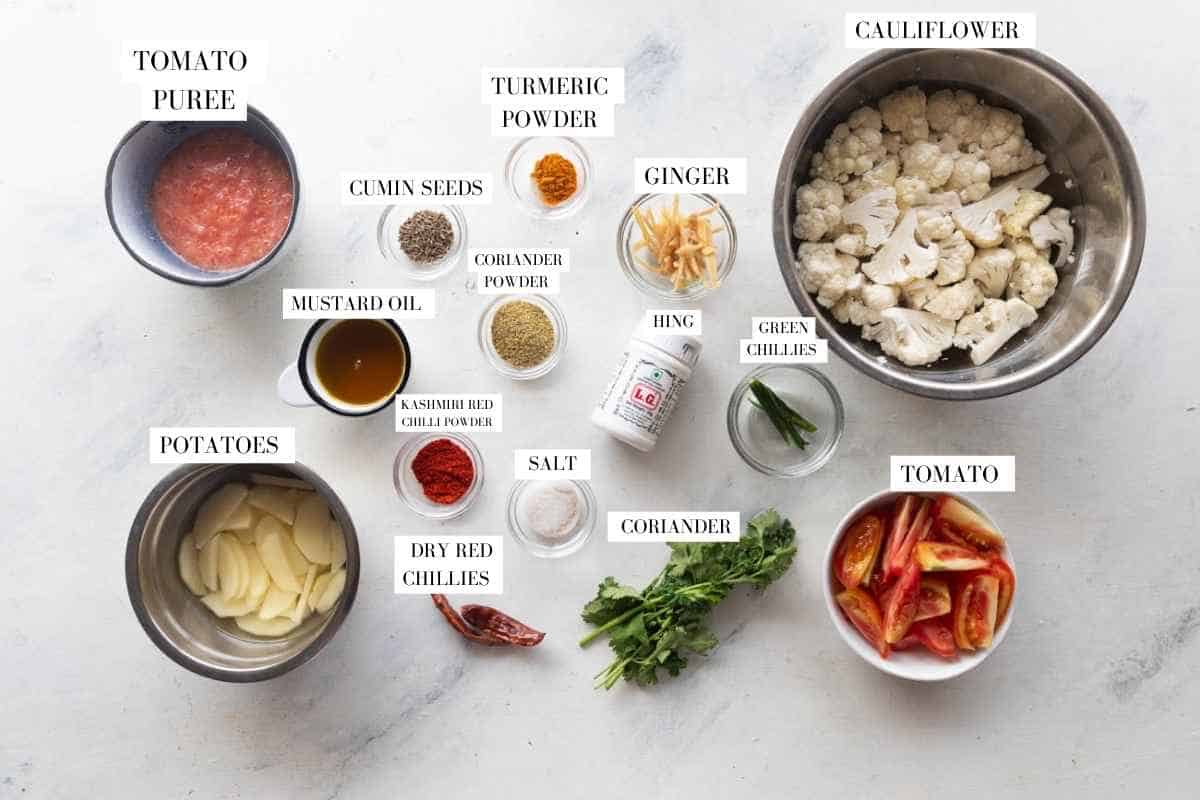
Ingredients You’ll Need
To achieve that Punjabi style Aloo Gobi flavor, the quality of your spices and the cut of your vegetables matter.
The Main Components:
Cauliflower (Gobi): 1 medium head, cut into medium-sized florets.
Potatoes (Aloo): 2 medium, peeled and cubed (try to keep them the same size as the florets).
Oil: 3 tbsp (Mustard oil adds an authentic pungent kick).
The Aromatics:
Cumin Seeds (Jeera): 1 tsp.
Ginger-Garlic Paste: 1 tbsp (fresh is always better!).
Onions: 1 large, finely chopped.
Tomatoes: 2 medium, finely diced.
Green Chilies: 2, slit lengthwise.
The Spice Blend:
Turmeric Powder: ½ tsp.
Kashmiri Red Chili Powder: 1 tsp (for that rich color).
Coriander Powder: 2 tsp.
Garam Masala: ½ tsp.
Amchur (Dry Mango Powder): ½ tsp (for that essential tang).
Kasuri Methi: 1 tsp (crushed between palms).
Step-by-Step Instructions
1. Prepping the Vegetables
The secret to a great Aloo Gobi recipe starts with the prep. Soak your cauliflower florets in warm salted water for 10 minutes to ensure they are clean. Pat them completely dry—excess moisture is the enemy of a crisp restaurant style Aloo Gobi.
2. The Golden Sear
Heat 2 tablespoons of oil in a heavy-bottomed kadai. Add the cauliflower and potatoes. Sauté them on medium-high heat for about 8–10 minutes until they develop golden brown spots. Remove them and set aside. This step seals the edges and prevents them from breaking down later.
3. Building the Masala Base
In the same pan, add the remaining oil and cumin seeds. Once they sizzle, add the chopped onions and sauté until translucent. Stir in the ginger-garlic paste and green chilies, cooking until the raw smell disappears.
4. Spicing it Up
Lower the heat and add your turmeric, coriander, and chili powder. Quickly add the tomatoes and a splash of water so the spices don’t burn. Cook until the tomatoes soften and the oil begins to separate from the sides—this is the foundation of your authentic Aloo Gobi masala.
5. The Slow Simmer
Fold the par-cooked potatoes and cauliflower back into the masala. Toss gently to coat every piece. Cover with a lid and cook on low heat for 10–12 minutes. Do not add water unless absolutely necessary; the steam trapped inside is enough to cook the vegetables to perfection.
6. The Final Flourish
Finish with garam masala, amchur powder, and a generous sprinkle of fresh coriander. The addition of crushed kasuri methi at the end is what truly elevates this to a Punjabi style Aloo Gobi.
Pro-Tips for Perfection
Size Matters: Ensure your potato cubes and cauliflower florets are roughly the same size so they cook at the same rate.
High Heat Searing: Roasting the vegetables initially is what distinguishes a boring stir-fry from a restaurant style Aloo Gobi.
The Tang Factor: If you don’t have amchur, a squeeze of fresh lemon juice just before serving works wonders.
Mustard Oil: If using mustard oil, heat it until it reaches its smoking point, then let it cool slightly before adding spices. This removes the raw bitterness.
How to Serve Your Aloo Gobi
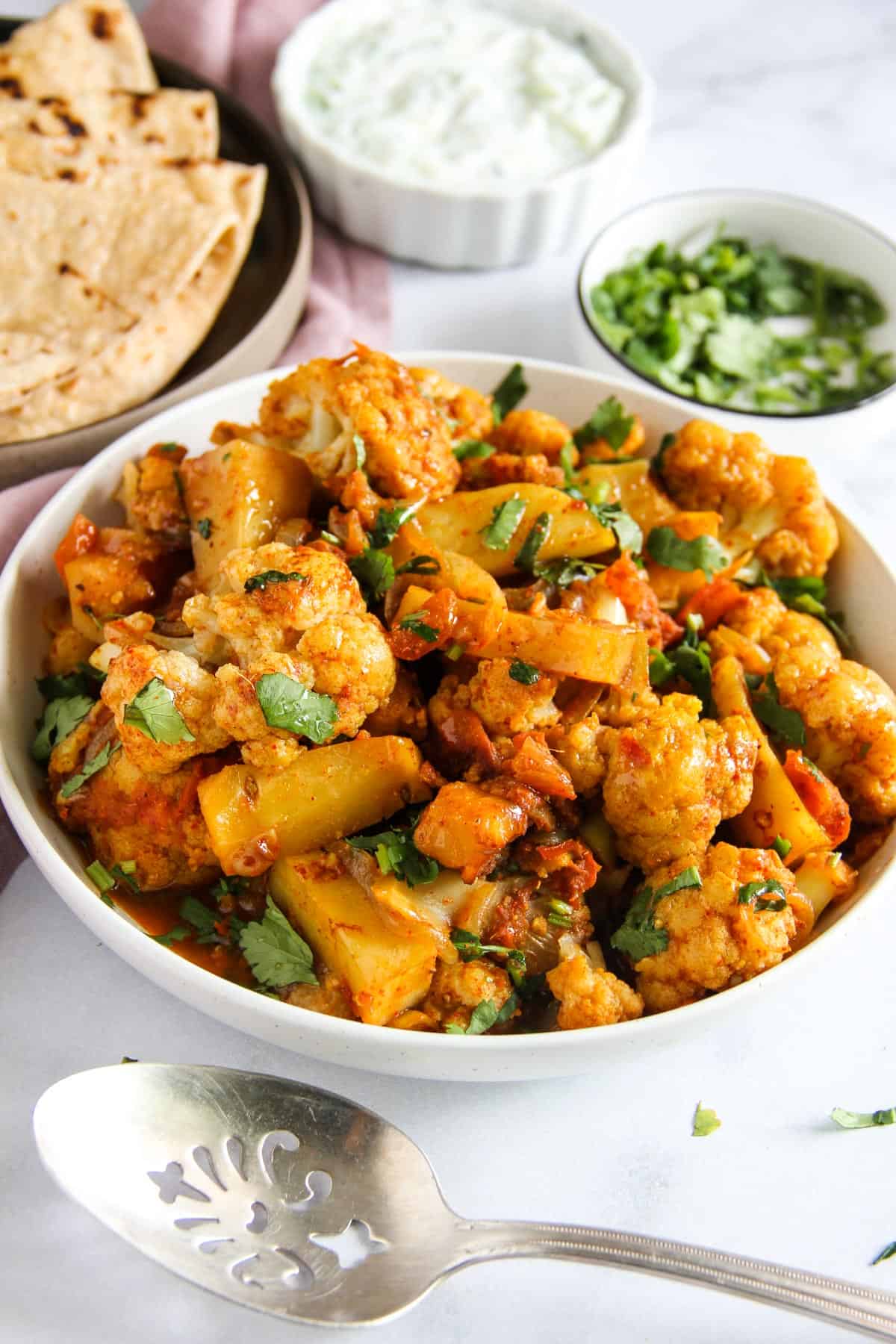
This authentic Aloo Gobi masala pairs beautifully with:
Butter Rotis or Naan: To soak up the spices.
Dal Tadka: For a complete Punjabi meal.
Boondi Raita: To balance the heat of the spices.
Beyond the rich, comforting flavors of authentic Aloo Gobi masala, this dish offers a dense profile of essential nutrients. When prepared thoughtfully, these two staple vegetables provide a balanced mix of fiber, vitamins, and minerals.
Cauliflower: The Low-Calorie Superfood
The cauliflower (gobi) is a nutritional hero in any Aloo Gobi recipe. As a cruciferous vegetable, it is exceptionally high in Vitamin C, providing nearly your full daily requirement in a single serving to boost immunity and skin health. It is also a rare plant-based source of choline, a nutrient essential for brain development and memory. Its high fiber content supports healthy digestion, while antioxidants like sulforaphane help protect cells from oxidative stress.
Potatoes: Essential Energy and Minerals
While often misunderstood, the potatoes (aloo) in a Punjabi style Aloo Gobi provide more than just carbohydrates. They are a significant source of potassium—even more than bananas—which is vital for maintaining healthy blood pressure and heart function. Additionally, potatoes are rich in Vitamin B6, which aids in mood regulation and energy metabolism. When cooked and simmered in a spiced gravy, they offer lasting satiety, making this a truly fulfilling meal.
The “Masala” Advantage
The health benefits are amplified by the traditional spices used in a restaurant style Aloo Gobi. Turmeric offers powerful anti-inflammatory properties, while ginger and garlic aid digestion and improve nutrient absorption. Together, these ingredients transform a simple stir-fry into a functional meal that supports your immune system and provides clean, sustained energy.
By serving the best Aloo Gobi recipe at home, you aren’t just honoring a culinary heritage; you’re fueling your body with a balanced, plant-based powerhouse that proves comfort food can be incredibly good for you.
Conclusion
Mastering the best Aloo Gobi recipe is a milestone for any home cook. It’s a dish that proves you don’t need exotic ingredients to create a meal that feels like a hug in a bowl. By following this Punjabi style Aloo Gobi method, you ensure that your vegetables are perfectly cooked, deeply flavored, and visually stunning.
Whether you are a beginner or a seasoned pro, this Aloo Gobi recipe is designed to give you consistent, delicious results every time. Don’t forget to share your photos and tag The Hungry Desi—we love seeing your culinary creations!
Try our other easy and yummy recipes also!!!