
Khaja: The Layered Legend
Whether you are looking for a Traditional Khaja Recipe or walking through the historic lanes of Silao in Bihar, the temple-town of Puri in Odisha, or the bustling markets of Kakinada in Andhra Pradesh, one aroma remains constant: the sweet, buttery scent of freshly fried Khaja. This legendary Indian sweet, with its paper-thin layers and glistening syrup, is more than just a dessert—it is a piece of living history.
In this comprehensive guide, we will dive deep into the world of Khaja, exploring its ancient origins, the regional variations that define it, and how you can recreate this crispy masterpiece in your own kitchen.
The Ancient Roots: A Sweet Through the Ages
The word Khaja is believed to have originated from the Persian word for “sweet pastry,” but its roots in India are far more ancient. Local legends in Bihar suggest that the Silao Khaja history dates back to the time of the Maurya and Gupta empires. In fact, archaeological evidence and folklore suggest that Lord Buddha himself was once served this crunchy treat while traveling through the Magadh region.
Historical texts like the Rigveda and Chanakya’s Arthashastra mention wheat-based sweets that resemble the modern-day Khaja. Even the famous Chinese traveler Hiuen Tsang noted a layered pastry in Mithila that he compared to the Middle Eastern Baklava. It is truly a traditional Khaja recipe that has survived the rise and fall of dynasties.
The Legend of Silao
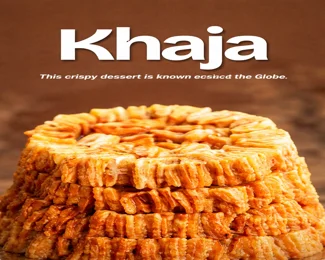
Silao, a small town between the ancient ruins of Nalanda and Rajgir, is the spiritual home of the Indian layered sweet. It is said that the local water and climate play a vital role in giving the Silao variety its signature fifty-two layers. The popularity of this version eventually led to it being granted a Geographical Indication (GI) tag, cementing its status as a national treasure.
Regional Variations: One Sweet, Many Identities
While the core concept remains the same—refined flour dough, deep-frying, and sugar syrup—the traditional Khaja recipe changes as you cross state borders.
1. The Divine Puri Jagannath Khaja
In Odisha, the Puri Jagannath Khaja is an integral part of the Sukhila Mahaprasad (dry offering) at the Jagannath Temple. Unlike the Bihar version, the Odia Khaja is often larger, harder, and coated with a thicker layer of sugar that crystallizes into a white frosting. To an Odia, this sweet is representative of the divine; no pilgrimage to Puri is complete without a wicker basket of Khaja to take home.
2. The Juicy Kakinada Kaja
Travel south to Andhra Pradesh, and the sweet transforms. Here, it is often called “Kakinada Kaja.” There are two main types:
Gottam Kaja: A hollow, cylindrical version that is crispy on the outside but hides a reservoir of juicy syrup inside.
Madatha Kaja: A flat, ribbon-like layered version that is softer and more syrupy than its northern cousins.
3. The Delicate Silao Variety
As mentioned, the Bihar version focuses on extreme crispiness and thinness. It is usually pale gold and incredibly fragile, shattering into delicious shards the moment you bite into it.
The Science of Layers: How to Make Khaja
Many people wonder how to make Khaja at home that matches the quality of a halwai (confectioner). The secret lies not in the ingredients, but in the technique of “Satta”—a paste of ghee and flour used to separate the layers.
Ingredients for the Traditional Khaja Recipe
To make approximately 15–20 pieces, you will need:
For the Dough:
2 cups All-purpose flour (Maida)
4 tbsp Melted Ghee (for “moyen” or shortening)
A pinch of salt
Chilled water for kneading
For the Satta (Layering Paste):
2 tbsp Ghee
2 tbsp All-purpose flour or Cornflour
For the Sugar Syrup:
1.5 cups Sugar
1 cup Water
½ tsp Cardamom powder
A few drops of lemon juice (to prevent crystallization)
For Frying:
Oil or Ghee for deep frying
Step-by-Step Instructions
Step 1: Preparing the Dough
In a large bowl, mix the flour and salt. Add the melted ghee and rub it into the flour with your fingertips until it reaches a breadcrumb-like consistency. Gradually add water and knead into a firm, smooth dough. Cover it with a damp cloth and let it rest for at least 30 minutes.
Step 2: Creating the Satta
In a small bowl, whisk together 2 tablespoons of ghee and 2 tablespoons of flour until it becomes a smooth, creamy paste. This is the magic ingredient that ensures your Indian layered sweet actually has layers!
Step 3: Rolling and Layering
Divide the rested dough into 5 or 6 equal balls. Roll each ball into a very thin, almost translucent large disc.
Place one disc on a flat surface and spread a thin layer of the Satta over it.
Place the second disc on top and repeat the process until all discs are stacked.
Gently roll the stack into a tight log (like a Swiss roll).
Cut the log into 1-inch pieces.
Step 4: Shaping
Take each cut piece and gently press it with your palm or a rolling pin to flatten it slightly. This exposes the layers while keeping the shape intact.
Step 5: The Frying Process
Heat oil in a deep pan on low to medium heat. This is crucial. If the oil is too hot, the outside will brown while the inner layers remain raw. Drop the pieces in and watch as the layers fan out like a book. Fry until they are a light golden brown and perfectly crisp.
Step 6: The Syrup Soak
While the Khaja is frying, prepare a one-string consistency sugar syrup. Add cardamom and lemon juice. Once the Khajas are fried, drain them and immediately dip them into the warm (not boiling) syrup. Let them soak for 2–3 minutes, then remove them to a wire rack so the excess syrup can drip off.
Nutritional Profile: An Indulgent Energy Boost
While Khaja is undeniably a treat, it offers a quick source of energy. A single serving (approx. 30g) typically contains:
Calories: 120–150 kcal
Carbohydrates: 20g
Fats: 7g
Protein: 2g
Because it is deep-fried in ghee and soaked in sugar, it is high in calories, but the use of cardamom and ghee provides some digestive benefits and healthy fats when consumed in moderation.
Cultural Significance: More Than Just Food
The Puri Jagannath Khaja and the Silao variety are central to Indian festivals. In Bihar, Khaja is an essential part of the “Chhath Puja” offerings and is a mandatory item in wedding “Bhaar” (gift baskets) sent to the groom’s family. It symbolizes sweetness and the “layers” of a long-lasting relationship.
In Odisha, it is believed that the Goddess Lakshmi herself oversees the preparation of the temple food, ensuring that the Khaja remains pure and sanctified. For many, eating a piece of Khaja is a spiritual experience, a way to connect with centuries of tradition and faith.
Tips for the Perfect Crispy Khaja
If you are attempting the traditional Khaja recipe for the first time, keep these expert tips in mind:
Cold Water: Use chilled water to knead the dough; it helps in making the pastry flakier.
The “Satta” Quality: Ensure the flour-ghee paste is smooth. If it’s lumpy, the layers won’t separate evenly.
Patience in Frying: Never rush the frying process. Low heat allows the steam to escape from between the layers, making them light and airy.
Syrup Temperature: If the syrup is too cold, it won’t penetrate the layers. If it’s too hot, the Khaja will become soggy. Aim for “pleasantly warm.”
Conclusion
From the royal courts of Magadh to the sacred kitchens of Puri, the Khaja has traveled through time to remain a beloved staple of the Indian palate. Whether you prefer the dry, multi-layered crunch of Silao Khaja or the syrup-filled delight of the Kakinada version, there is no denying that this Indian layered sweet is a masterclass in pastry making.
By following this traditional Khaja recipe, you aren’t just making a snack; you are preserving an art form. So, the next time you crave something sweet, skip the store-bought biscuits and try your hand at how to make Khaja. Your taste buds—and your family—will thank you!